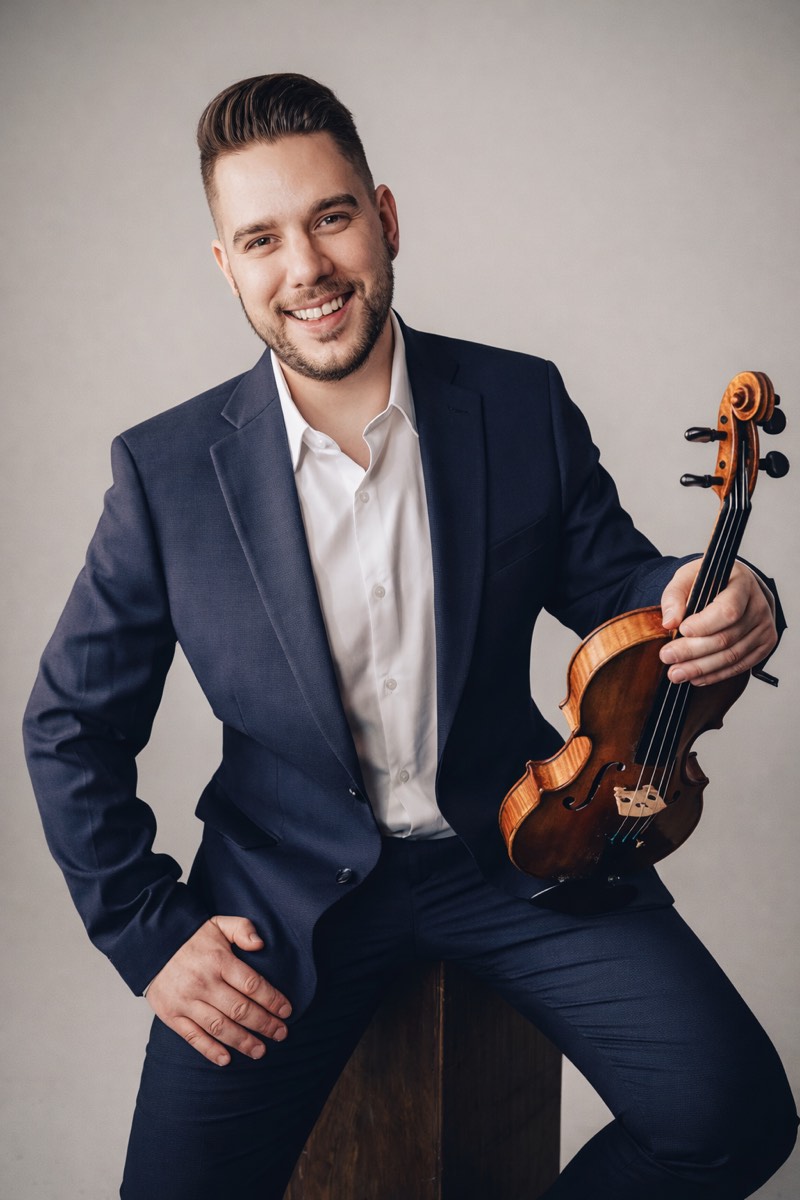
Choosing a violin teacher for your child means looking beyond playing ability. You also want someone who teaches clearly, communicates well, and helps your child feel comfortable enough to learn.
For many families, the first few lessons shape everything that follows. A good start can build confidence, healthy habits, and curiosity. A poor fit can leave a child discouraged before they have had a real chance to settle in.
If you are comparing violin teachers in Vancouver, this guide will help you think through the decision in a practical way. You will know what to look for, what to ask, and which signs suggest a teacher may be a strong fit for your child.
Why the right teacher matters for beginner violin students
The first violin teacher often has a bigger influence than parents expect. At the beginner stage, children are learning more than notes and rhythms. They are learning how to hold the instrument, how to listen, how to practice, and how to respond when something feels difficult.
A teacher who understands young learners can help shape:
- Posture and left hand setup
- Bow hold and tone production
- Practice habits at home
- Attention span and lesson pacing
- Confidence when something is new or challenging
Skill matters, but skill alone is not enough for children. A talented player who cannot explain things in a simple, encouraging way may not be the right teacher for a young beginner. For a child, the experience of learning matters just as much as the material being taught.
In my experience, children often progress best when they feel two things at once: structure and warmth. They need a teacher who gives clear direction, but also one who makes room for small wins and patient repetition.
What to look for in a child friendly violin teacher
When you are trying to find a violin teacher in Vancouver, it helps to look beyond the resume and think about the teaching relationship itself.
Experience teaching children and beginners
A teacher may be an excellent performer and still not be the best choice for a child. Teaching beginners requires a different set of strengths. Look for someone who regularly works with children, especially younger beginners, and who can explain fundamentals in age appropriate ways.
Beginners need lessons that feel manageable. A good teacher knows how to break down one concept into smaller steps, rather than overwhelming a child with too much detail at once.
Clear communication with both child and parent
For children’s violin lessons in Vancouver, parent communication matters. Young students usually need support at home, even if they are motivated.
A strong teacher should be able to explain:
- What the child is working on
- How much practice is realistic
- What the parent can listen for
- What progress might look like over time
This does not mean parents need to become violin experts. It means the teacher should make the process understandable.
Patience, structure, and encouragement
Children learn best when lessons are calm, organized, and consistent. A patient teacher gives correction without making the child feel rushed or wrong. Structure helps the student know what to expect, while encouragement keeps the learning process positive.
This balance is especially important for beginners. Early violin playing can feel awkward at first. That is normal. A good teacher does not treat awkwardness as failure. They treat it as part of learning.
Ability to adapt to age, attention span, and temperament
No two children learn in exactly the same way. Some are chatty and curious. Others are quiet and observant. Some like visual explanations. Others do better when they can copy and imitate.
A good private violin teacher in Vancouver should be able to adjust the lesson to the child, not force every student into the same format. That flexibility is often what turns a lesson from stressful to productive.
Questions to ask before you book
Before you commit to a teacher, ask a few direct questions. The way they answer will tell you a lot about how they teach.
What ages and levels do you usually teach?
This is one of the simplest and most useful questions. A teacher who works regularly with young beginners will usually have a clearer sense of pacing, expectations, and common early challenges.
How do you structure lessons for beginners?
You are listening for a practical answer here. A thoughtful teacher might mention posture, bow hold, finger placement, rhythm games, note reading, or short technical exercises.
What matters most is that the teacher has a system. Beginner lessons should not feel improvised every week.
How do you handle practice expectations at home?
Practice is one of the biggest concerns parents have. A good teacher should give realistic guidance based on the child’s age and stage.
For younger beginners, consistent short practice is usually more useful than long sessions that become frustrating. The exact amount will depend on the student, but the principle is steady, manageable repetition.
Do you offer a trial lesson?
A trial lesson is often the easiest way to assess fit. It gives your child a chance to meet the teacher, hear how they explain things, and experience the lesson style before you make a longer commitment. If you want to see what that looks like in practice, you can book a free trial lesson before you decide on a longer plan.
How do you communicate with parents?
Some teachers give a brief update at the end of each lesson. Others may communicate by email or another agreed method. What matters is that you know how progress, expectations, and concerns will be shared.
Signs a teacher may be a good fit
Sometimes the best way to choose is simply to pay attention to how the first conversation and first lesson feel.
A teacher may be a good fit if:
- Your child feels comfortable asking questions
- The teacher gives specific, actionable feedback
- The lesson feels organized but not overly rigid
- The teacher explains progress in plain language
- Your child leaves the lesson calm, clear, and willing to return
One of the strongest signs is not instant perfection. It is whether the child understands the next step. A good beginner lesson usually gives the student one or two clear priorities, not ten things to fix at once.
Parents sometimes expect visible progress immediately, but early violin learning is often about building confidence and coordination before it looks polished. A teacher who understands that process can make a real difference.
Red flags to watch for
It is just as important to notice what does not feel right.
Some warning signs include:
- Vague answers about teaching approach
- One size fits all lesson plans
- Little patience with beginners or young children
- Unclear expectations for practice
- No real communication plan for parents
If a teacher cannot explain how they work with children in simple terms, that is worth noticing. You do not need a complicated answer. You need a clear one.
Another red flag is a lesson that feels discouraging rather than instructive. Children do need correction, but they should not leave a lesson feeling confused or shut down. A strong teacher can be firm and kind at the same time.
Vancouver specific considerations
When families in Vancouver look for violin lessons, convenience matters more than people sometimes admit. Between school, work, commuting, and other activities, a lesson that is hard to reach can become difficult to sustain.
That is why location, schedule, and lesson format matter. Some families prefer in person lessons because they like the structure of leaving home for class. Others prefer online violin lessons because they are easier to fit into a busy week.
If you are comparing violin teachers in Vancouver, Surrey, Burnaby, Richmond, Coquitlam, Langley, or nearby areas, think about what is realistic for your family over the long term. A convenient schedule is not a small detail. It is often part of whether practice and lessons stay consistent.
Strong credentials matter, but the best teacher for your child is someone you can actually work with regularly.
Private lessons vs. group lessons for children
Both formats can be useful, but they serve different purposes.
Group lessons can help some children with social motivation, ensemble skills, and listening. They may work well once a child already has some basic comfort with the instrument.
Private lessons, on the other hand, are often a strong starting point for beginner violin lessons for children in Vancouver. A private teacher can focus on:
- The child’s posture and setup
- Individual pace
- Specific technical habits
- Personal confidence and temperament
For many young beginners, private instruction makes the first stage less confusing. A child gets more attention, more specific feedback, and a lesson that moves at a pace that suits them.
That does not mean private lessons are the only option. It means they are often the clearest way to begin.
How a free trial lesson can help you decide
A free trial lesson is often the most practical next step. It is a low pressure way to see how the teacher interacts with your child and whether the lesson style feels comfortable.
During a trial lesson, pay attention to a few things:
- Does the teacher explain things clearly?
- Does your child seem relaxed enough to participate?
- Is the lesson age appropriate and organized?
- Do you understand what home practice would look like?
- Does the overall tone feel encouraging and calm?
You are not looking for a perfect performance. You are looking for fit.
For many families, that one lesson answers more questions than several emails or website pages can. It gives you a real sense of whether the teacher can support your child well.
If you are still deciding how to choose a violin teacher for your child in Vancouver, Virtuo Violin offers a free trial lesson and pricing details so you can ask questions, meet the teacher, and see how the lesson style feels before you commit.
Final checklist for choosing a teacher
Before you book, it can help to run through a short checklist.
- The teacher has experience teaching children
- The teacher explains things clearly
- The lesson structure feels beginner friendly
- Your child seems comfortable and heard
- You understand practice expectations
- The schedule or location works for your family
- The teacher offers a supportive trial lesson
If you can answer yes to most of these, you are probably looking at a strong candidate.
Choosing a violin teacher is ultimately about more than credentials or convenience. It is about finding someone who can help your child build good habits, feel encouraged, and make steady progress over time.
Once lessons begin, the next practical questions are usually home practice and instrument setup. I have separate guides on helping your child practise violin at home and whether to rent or buy the first violin.
FAQ
How do I know if my child is ready for violin lessons?
Many children are ready when they can follow simple instructions, stay engaged for a short lesson, and show some interest in music. Readiness is less about a perfect age and more about whether the child can participate comfortably with the right support.
What should a beginner violin lesson for children include?
A good beginner lesson usually includes posture, instrument setup, bow hold, rhythm, simple note reading, and a small amount of review. The lesson should feel clear and manageable, not overloaded.
Is a private violin teacher better than group lessons?
Not always, but private lessons are often easier for beginners because the teacher can adapt the pace and focus to the child. Group lessons can be helpful too, especially later on or as a supplement to private study.
How often should my child practice violin?
That depends on age, level, and the teacher’s expectations. For young beginners, shorter and more consistent practice sessions are usually better than long sessions that lead to frustration.
Can online violin lessons work for children?
Yes, for many families they can. Online lessons work best when the child has a suitable setup, a clear routine, and enough parent support at home. Some children prefer online lessons, while others do better in person.
A thoughtful next step
If you are trying to choose a violin teacher for your child in Vancouver, focus on the basics: clear teaching, child friendly communication, realistic practice expectations, and a lesson environment that feels calm and encouraging.
When those pieces are in place, your child is more likely to feel supported from the start.
If you would like help deciding whether violin lessons are the right fit, Virtuo Violin offers private lessons for children, pricing details, and a free trial lesson to make the first step easier.